Best Time Tracking Software in 2026
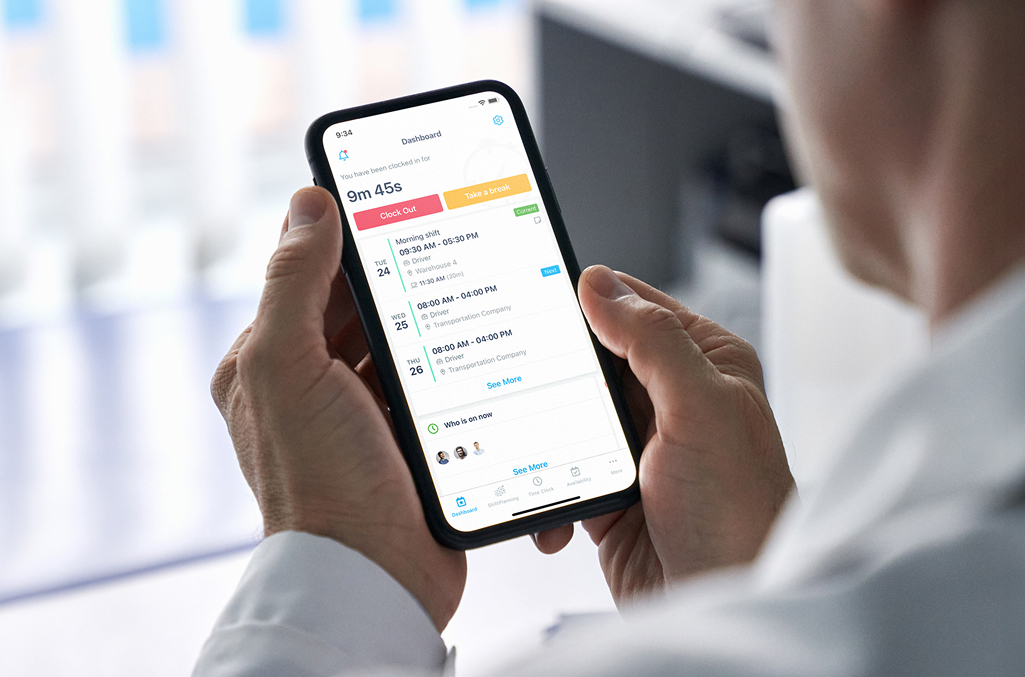
In 2026, remote and hybrid work have driven the need for time-tracking software. Workers need to manage how their time is spent and convert time into valuable insights. These tools are the perfect solution. Freelance professionals need to understand how to bill clients. Managers need to identify and overcome work stoppages. Employees need to manage their workloads. The software helps teams identify and overcome work stoppages, all without the software being “Big Brother.” Over time, employees will become accustomed to the software, and the need for more work will become obvious.
In addition to recording time, the software will have reporting and productivity features. Controlio provides powerful workforce efficiency analytics features. Controlio balances powerful workforce analytics, automated activity logging, and ethical monitoring. The software is best suited for companies that want to identify and overcome their inefficiencies.
Why Time Tracking Software Will is Useful in 2026
Inefficient work, disparate systems, and remote/hybrid work are the new normal. Time tracking software will help alleviate each work stoppage. Reduced inefficiencies will allow companies to maximize the value produced by their employees.
The best time trackers do all of the hard work for you. That includes capturing time on different devices, categorizing time spent on different tasks, and making reports on activities that help you understand how time is being spent and if time is being wasted. They help with how precisely you can bill clients, how you forecast projects, how accurate payroll is, and your overall wellness by spotting when you are working too much.
In 2026, the best time tracking tools use AI for predictions and seamless integrations with tools like Slack, Asana, and QuickBooks, as well as mobile applications for logging time on the go. Privacy is everything, and the best time trackers will use consent, security, and transparency to build trust rather than resistance.
Time trackers need certain features to help you understand how time is being spent and to help you automate the hard work.
These essentials include:
Easy Time Capture—You should be able to track time easily with one-click timers, auto-timers, and offline manual time logging.
Project & Client Tagging—You should be able to track time for specific projects and clients.
Powerful Reporting—You should be able to report on how productive you and your team are and how much time is being wasted, along with other reports.
Integrations Galore: You should be able to connect the time tracker with your tools, calendars, and apps.
Productivity & Wellness Insights—You should be able to know how often you are working and how much time is being wasted.
Mobile & Cross-Platform: You should be able to use the app on the web and on your phone.
Scalability & Pricing: You should be able to use a free tier when you first start and then pay for only what you need for an enterprise tier.
These features are what help time-tracking tools make raw time data into actionable data. Best Time Tracking Software for 2026
After analyzing user reviews, expert reviews (G2, Capterra, industry blogs), and software performance, we present the following time tracking software for 2026.
For automation, analytics, and simplicity, Controlio offers the best overall software. It works best for teams needing strong insights about the workforce and privacy. On the other hand, for a clean interface, rapid timers, and excellent Pomodoro timers, Toggl Track is the best for individual users and small teams. For billing, Harvest has the best tracking, which is ideal for agencies and freelancers. For unlimited users, time tracking, and solid timesheets, Clockify is best for large teams and offers unlimited free tracking. For remote teams, Hubstaff is the best oversight software for activity tracking and optional GPS. For seamless payroll, QuickBooks Time is best. For planning, My Hours is best. For AI auto-capture, Timely is best. For employee oversight, Apploye is best. For omnichannel project management, Scoro is best.
Spot-check the reviews for G2 and Capterra to get the current user feedback on the time tracking systems.
To Pick and Implement the Right Tool
Setting priorities is the best starting point in this process.
Company needs should be closely examined. Objectives such as billing by yourself, team oversight, or tracking project profitability should be taken into consideration. Then, spend no more than 2-3 trials.
Rollouts took time; train staff and set firm policies. Explain what gets monitored and why, plus how the data will be utilized. Incorporate policies with daily tools to lower friction.
Use preliminary reports to celebrate wins and adjust processes. Frame it as a team benefit, such as a fairer distribution of work, better forecasting, and reduced administrative burdens. Shift focus, make it part of the team, and you will get buy-in.
Time Tracking Beyond 2026
More in the time-tracking realm and artificial intelligence evolution means better things in smart auto-categorization, predictive loss overrun and fatigue alerts, and nuanced wellness features. Tracking will feel less intrusive with a focus on the mobile experience and privacy features, such as anonymized data.
Conclusion
2026—time tracking is not about tracking time. It is about making every second of the day work for you and achieving goals. Time tracking provides order, simplifies billing, and enhances work-life balance.
Final Note—The best time tracking tools are the ones that empower you to do more and monitor less. Controlio leads the pack in smart time tracking. With Controlio, you can optimize time usage, recover your lost time, and strengthen your productivity. Start tracking and observe the transformation. You will see a huge difference in your workday.


