
How Frequency Converters Boost Motor Performance and Efficiency
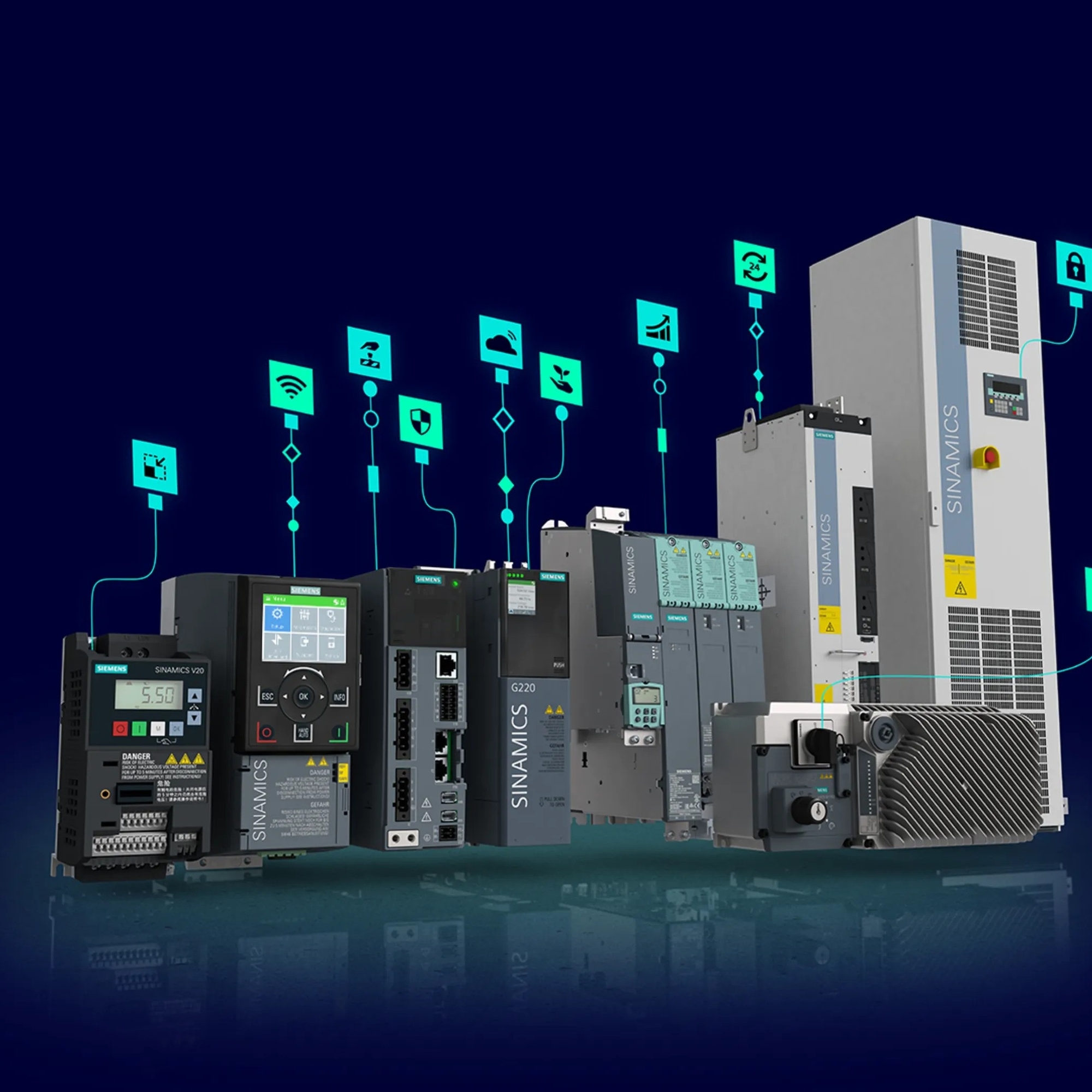
Installing frequency converters optimizes electric motor performance by matching rotational speed and output torque directly to real-time workload demands. Traditional motor setups operate at a fixed speed regardless of system requirements, burning excessive power and relying on mechanical throttling devices to regulate output. Frequency converters adjust supply voltage and frequency, enabling electric motors to run at precise speeds required for specific tasks. Matching motor output to actual operational needs drastically slashes electrical waste, protects mechanical components, and improves overall plant productivity.
Precision Speed Control and Torque Management
Visicomm Industries frequency converters provide continuous, fine-tuned control over motor RPM, eliminating reliance on energy-inefficient mechanical dampers and throttling valves. In standard industrial pumping or ventilation setups, motors run at full speed constantly while physical valves restrict flow. This traditional setup wastes significant electrical energy by forcing the motor to push against artificial resistance.
Regulating electrical frequency directly allows the motor to scale down its rotational speed smoothly during periods of lower demand. Because power consumption in centrifugal pumps and fans scales exponentially with speed, a small reduction in motor RPM yields massive energy savings. Delivering steady torque across varying operational speeds ensures your machinery runs smoothly without stalling or overheating.
Reducing Mechanical Stress Through Controlled Acceleration
Integrating soft-start capabilities prevents violent mechanical shocks during motor ignition cycles. Direct-on-line motor starts generate massive electrical inrush currents up to eight times higher than normal operating levels. This sudden torque spike stretches drive belts, strains gearboxes, and places extreme thermal stress on internal motor windings.
Frequency converters ramp up motor speed gradually from zero RPM, controlling initial torque delivery and smoothing out acceleration curves. Eliminating harsh mechanical jolts prevents premature component fatigue and reduces the risk of unpredicted equipment breakdowns. Smooth acceleration protects delicate drive systems, extending the mean time between maintenance interventions across your entire mechanical setup.
Optimizing Process Automation and Product Quality
Controlling motor speeds with precise electronic regulation ensures consistent product quality on automated assembly lines. Frequency converters respond instantaneously to feedback signals from process sensors, making micro-adjustments to maintain constant pressure, tension, or flow rates. This immediate responsiveness keeps manufacturing parameters within tight tolerances during batch transitions or variable loading conditions.
In conveyor networks and material handling systems, precise speed synchronization prevents product jams, material stretching, and surface abrasion. Eliminating erratic stop-and-go movements ensures smooth material transport from raw processing stages through final packaging. Maintaining exact operational control lowers scrap rates, minimizes rework, and optimizes total saleable production output.
Extending Motor Equipment Lifespan
Upgrading motor control infrastructure significantly extends the working lifespan of electric motors and connected industrial assets. Operating a motor at reduced speeds lowers internal operating temperatures and suppresses structural vibration levels. Thermal stress is the leading cause of insulation breakdown in electric motor windings, making heat reduction a key factor in long-term equipment survival.
Frequency converters also monitor electrical parameters continuously, providing built-in protection against overvoltage, phase loss, and overcurrent conditions. Detecting abnormal conditions instantly allows the converter to trip safely before severe electrical or mechanical damage occurs. This proactive monitoring shields critical equipment, avoids expensive motor rewinds, and keeps production schedules on track.
Conclusion
Frequency converter technology represents a fundamental upgrade for optimizing motor performance and cutting industrial operational costs. Matching motor output to real-time workload requirements eliminates energy waste, reduces mechanical wear, and maintains tight process control. Preventing severe starting shocks and operating at optimal speeds extends the working life of heavy industrial equipment. Investing in frequency conversion enhances operational reliability, protects key assets, and delivers continuous efficiency returns across your entire facility.


